Optimal Timing for Chip and Seal Paving
Determining the optimal time for Chip And Seal Pavings depends on weather conditions and climate. Proper timing ensures adhesion, durability, and longevity of the pavement surface. Typically, the ideal period is during warm, dry weather when temperatures are consistently above 50°F (10°C). This allows the binder to cure properly and the aggregate to set securely.
Spring offers moderate temperatures and lower humidity, making it suitable for Chip And Seal Pavings. It allows the surface to cure before the heat of summer.
Warm summer months provide ideal conditions for adhesion and curing. However, extreme heat can sometimes cause issues with binder setting if not managed properly.
Early fall can be suitable if temperatures remain above 50°F. Cooler weather later in fall may hinder proper curing and adhesion.
Cold and wet winter conditions are generally unsuitable for Chip And Seal Pavings due to poor adhesion and increased risk of damage.
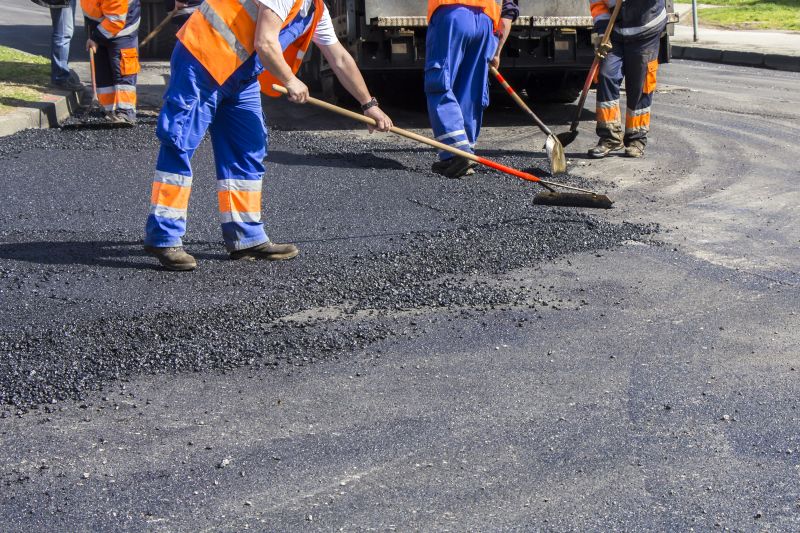
Ways to make Chip And Seal Pavings work in tight or awkward layouts.
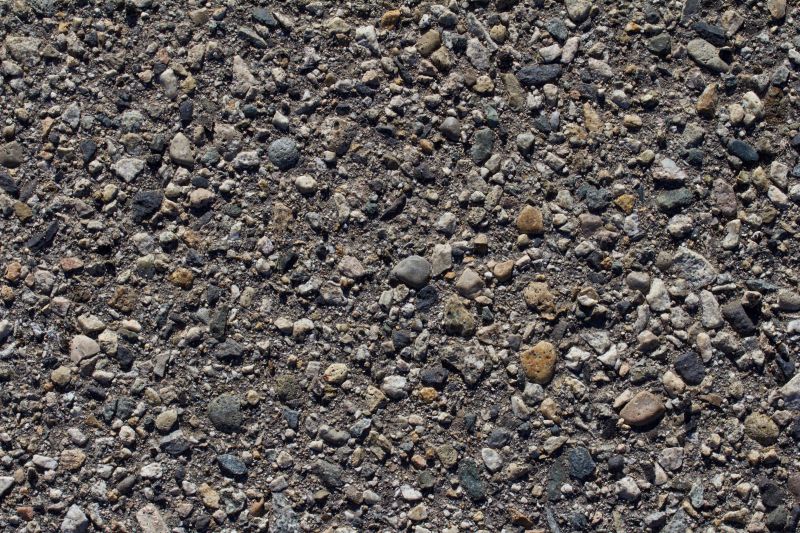
Popular materials for Chip And Seal Pavings and why they hold up over time.
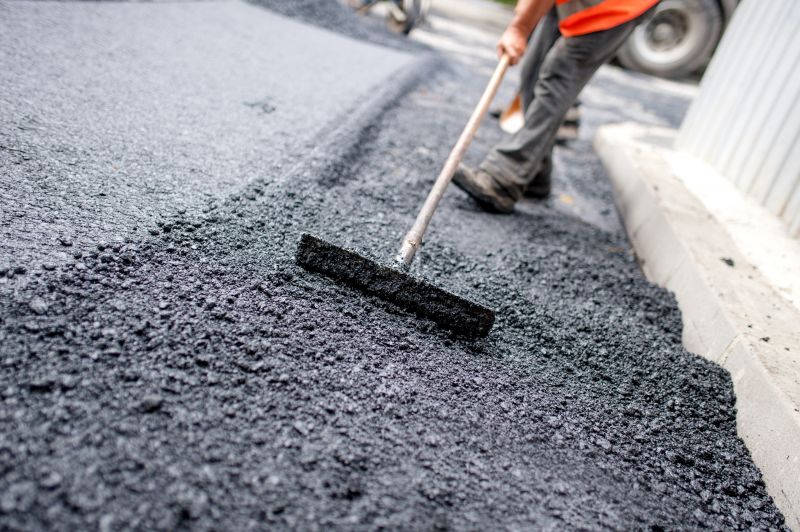
Simple add-ons that improve Chip And Seal Pavings without blowing the budget.

High-end options that actually feel worth it for Chip And Seal Pavings.
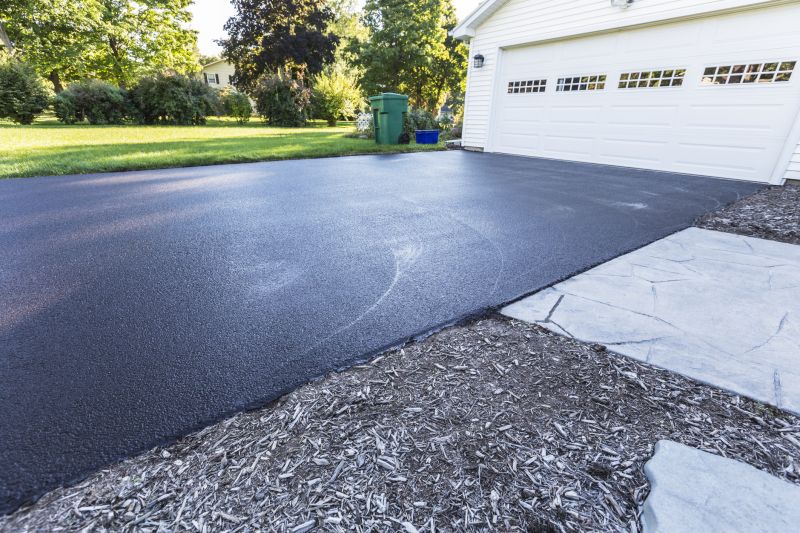
Finishes and colors that play nicely with Chip And Seal Pavings.
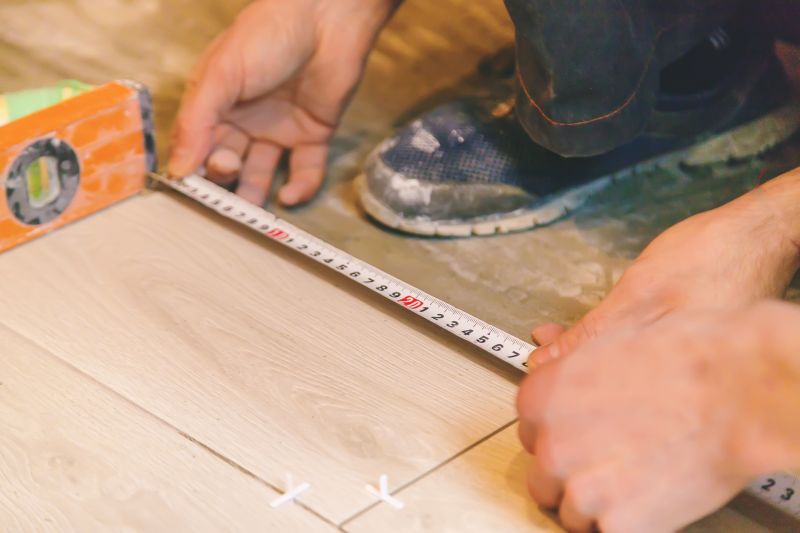
Little measurements that prevent headaches on Chip And Seal Pavings day.
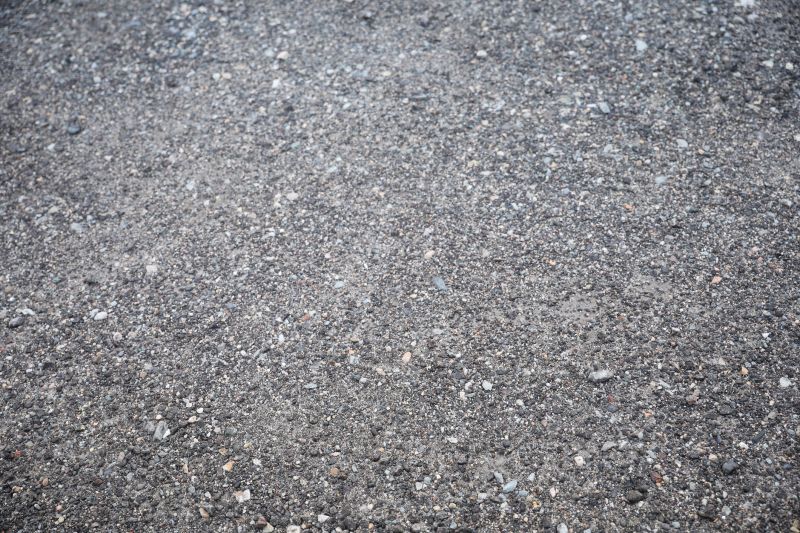
A 60-second routine that keeps Chip And Seal Pavings looking new.
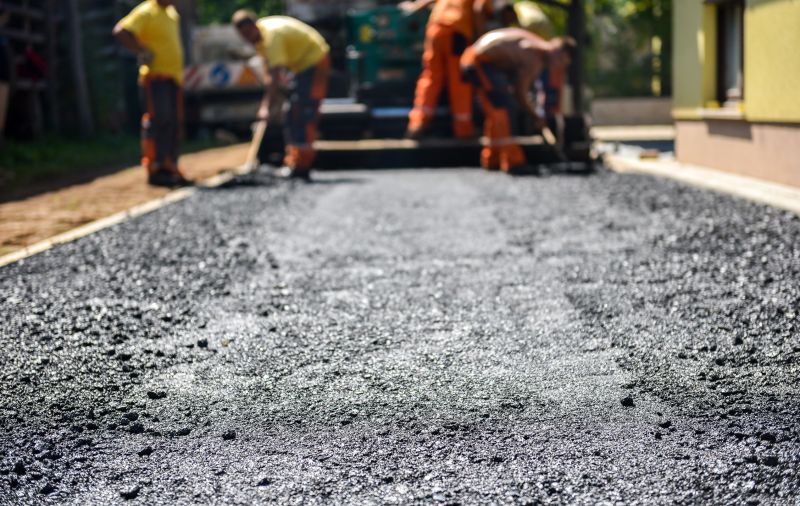
A frequent mistake in Chip And Seal Pavings and how to dodge it.
Chip And Seal Pavings involve applying a layer of liquid asphalt followed by a layer of aggregate, creating a durable and cost-effective surface. This method is widely used for driveways, roads, and parking lots due to its simplicity and effectiveness. Proper timing ensures the pavement will resist weathering, cracking, and potholes, extending its service life.
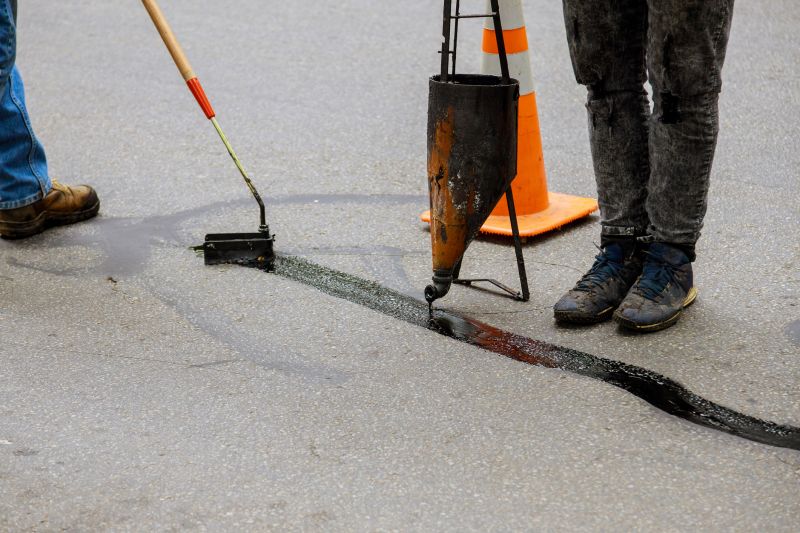
The process includes applying asphalt, spreading aggregate, and rolling to ensure compaction.
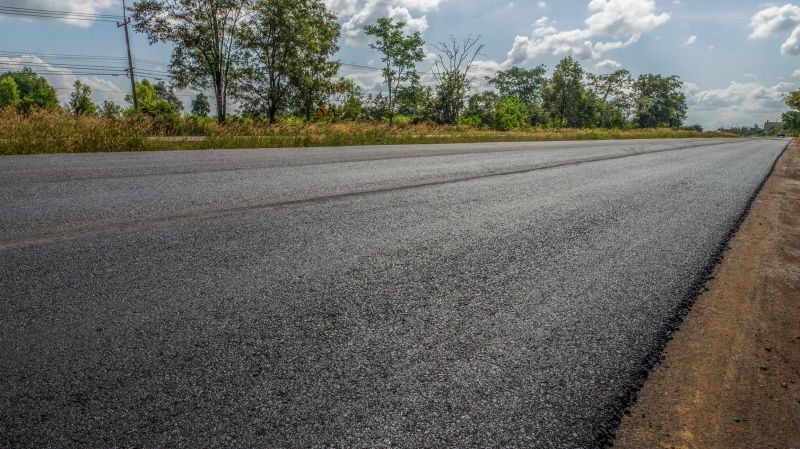
The result is a textured surface that provides good traction and durability.
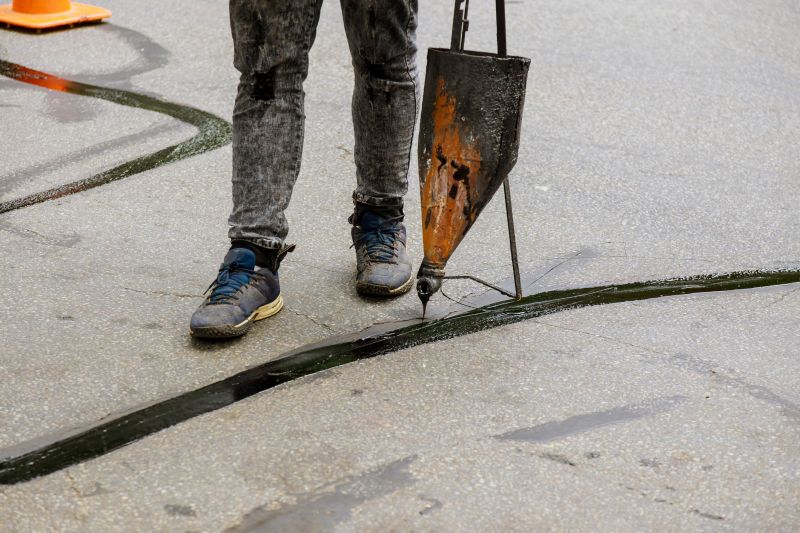
Proper timing and application reduce maintenance needs and improve longevity.
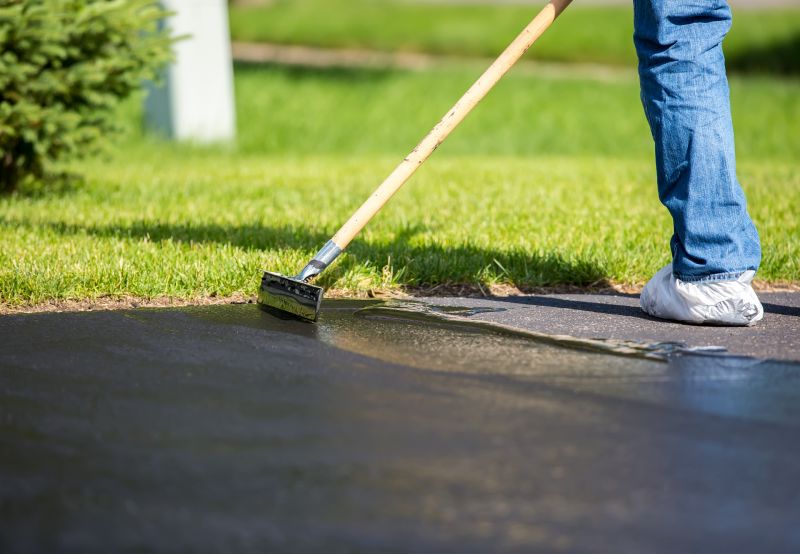
Weather conditions during installation significantly influence the quality of the pavement.
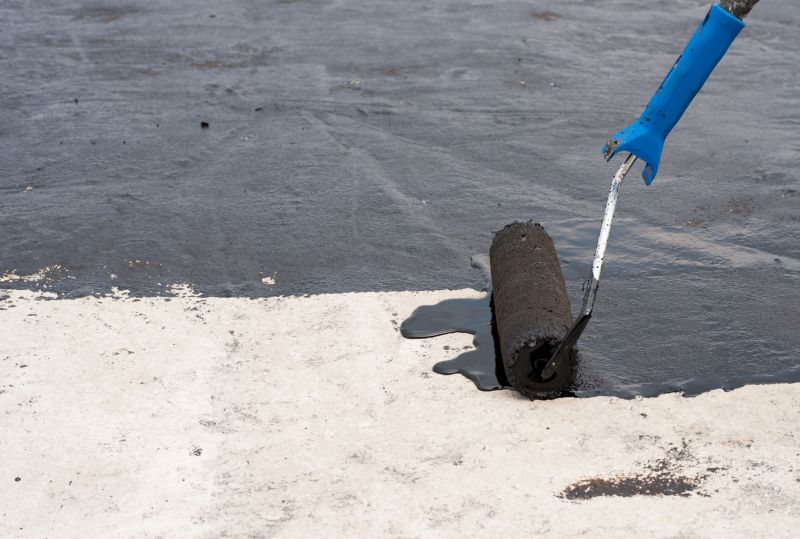
Small tweaks to make Chip And Seal Pavings safer and easier to use.
Lower-waste or water-saving choices for Chip And Seal Pavings.
| Season | Recommended Conditions |
|---|---|
| Spring | Temperatures above 50°F, low humidity |
| Summer | Warm, dry weather, temperatures 70-90°F |
| Fall | Consistent above 50°F, avoid excessive moisture |
| Winter | Not recommended due to cold and wet conditions |
Choosing the right season for Chip And Seal Pavings enhances the adhesion process and reduces the risk of surface defects. Proper planning based on local climate conditions ensures the pavement will perform as expected and have a longer lifespan.
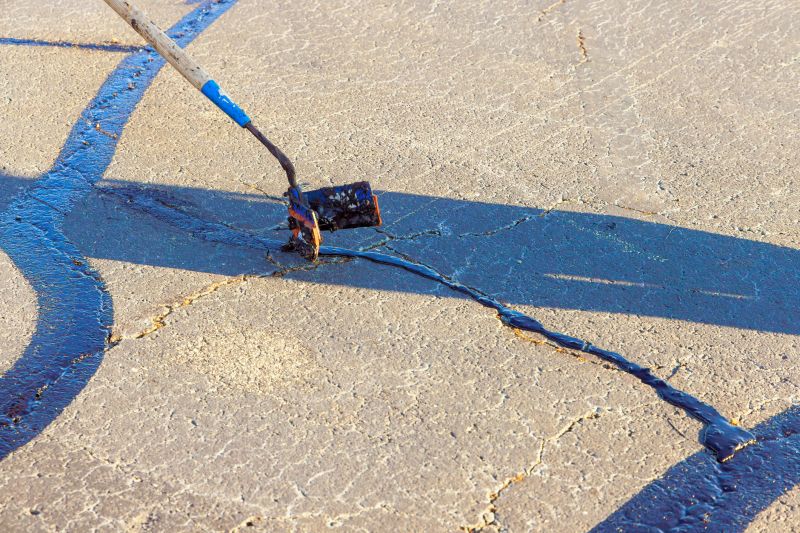
The short, realistic tool list for quality Chip And Seal Pavings.
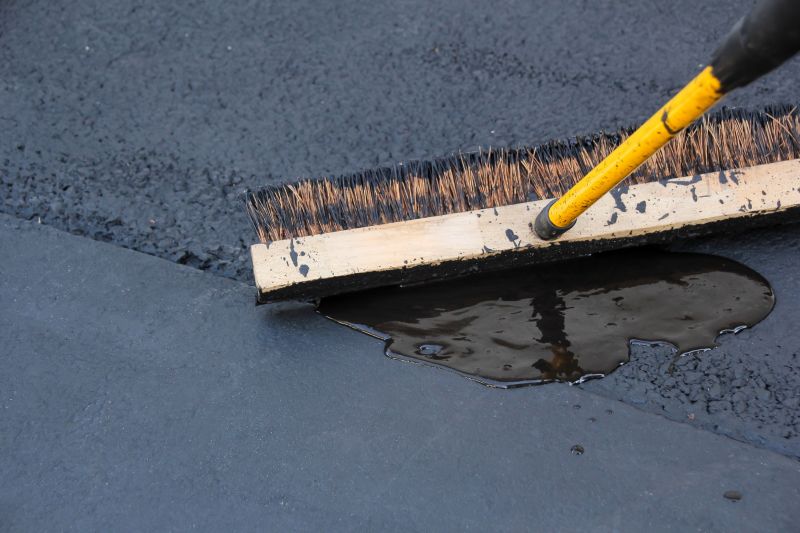
Rough timing from prep to clean-up for Chip And Seal Pavings.

Quick checks and paperwork to keep after Chip And Seal Pavings.

Examples that show the impact a good Chip And Seal Pavings can make.
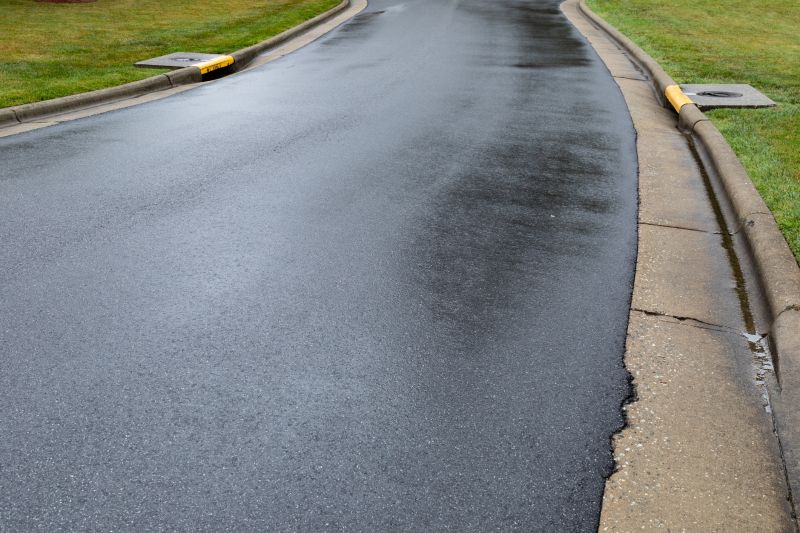
Ways to make Chip And Seal Pavings work in tight or awkward layouts.
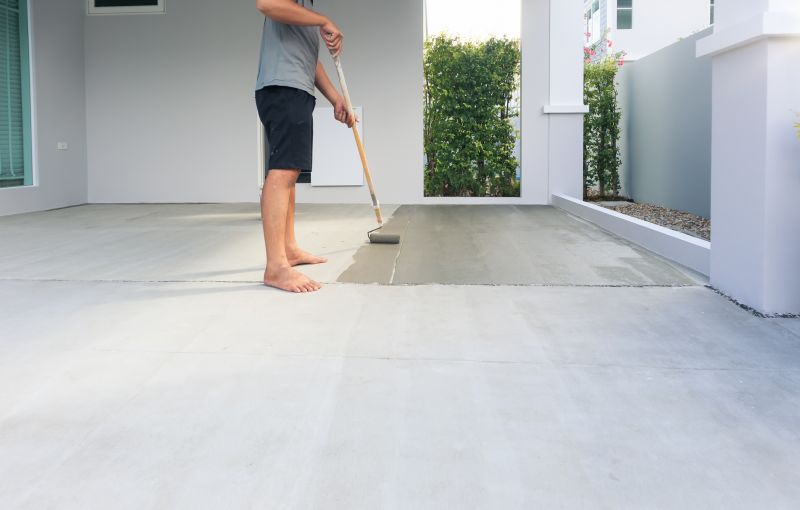
Ways to make Chip And Seal Pavings work in tight or awkward layouts.
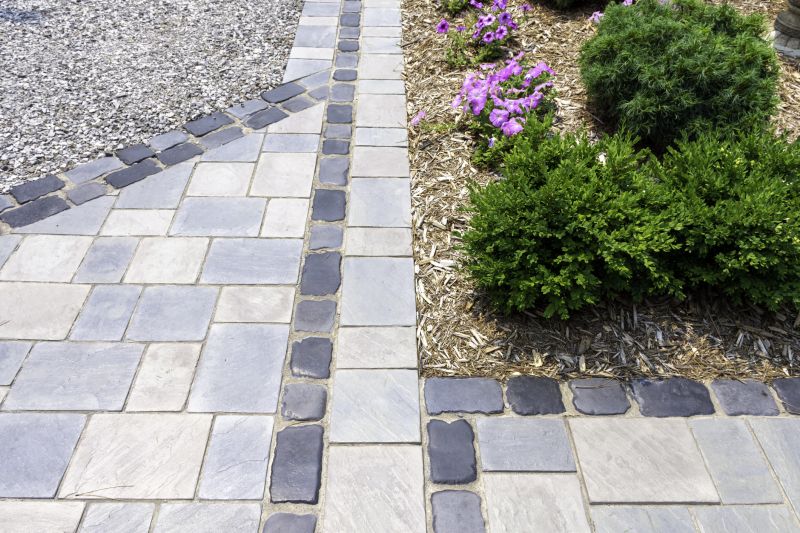
Ways to make Chip And Seal Pavings work in tight or awkward layouts.
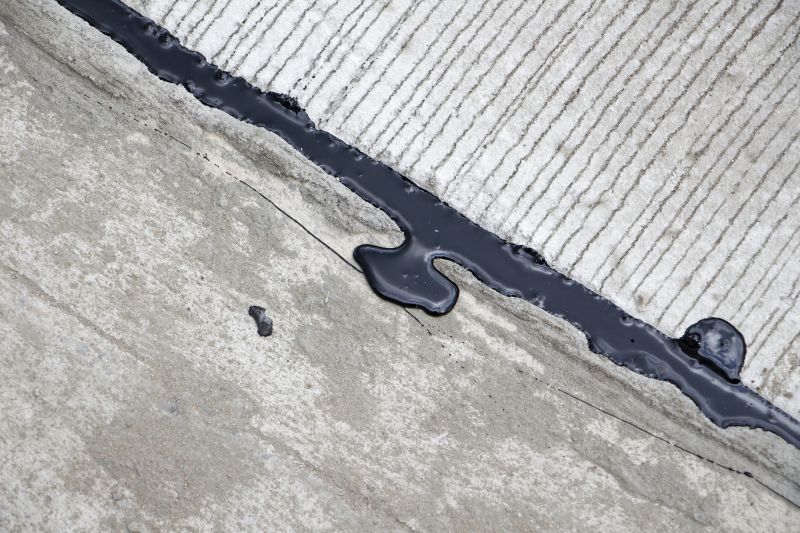
Ways to make Chip And Seal Pavings work in tight or awkward layouts.
Interested in Chip And Seal Pavings? Filling out the contact form can provide more details and help determine the best timing for a specific project.